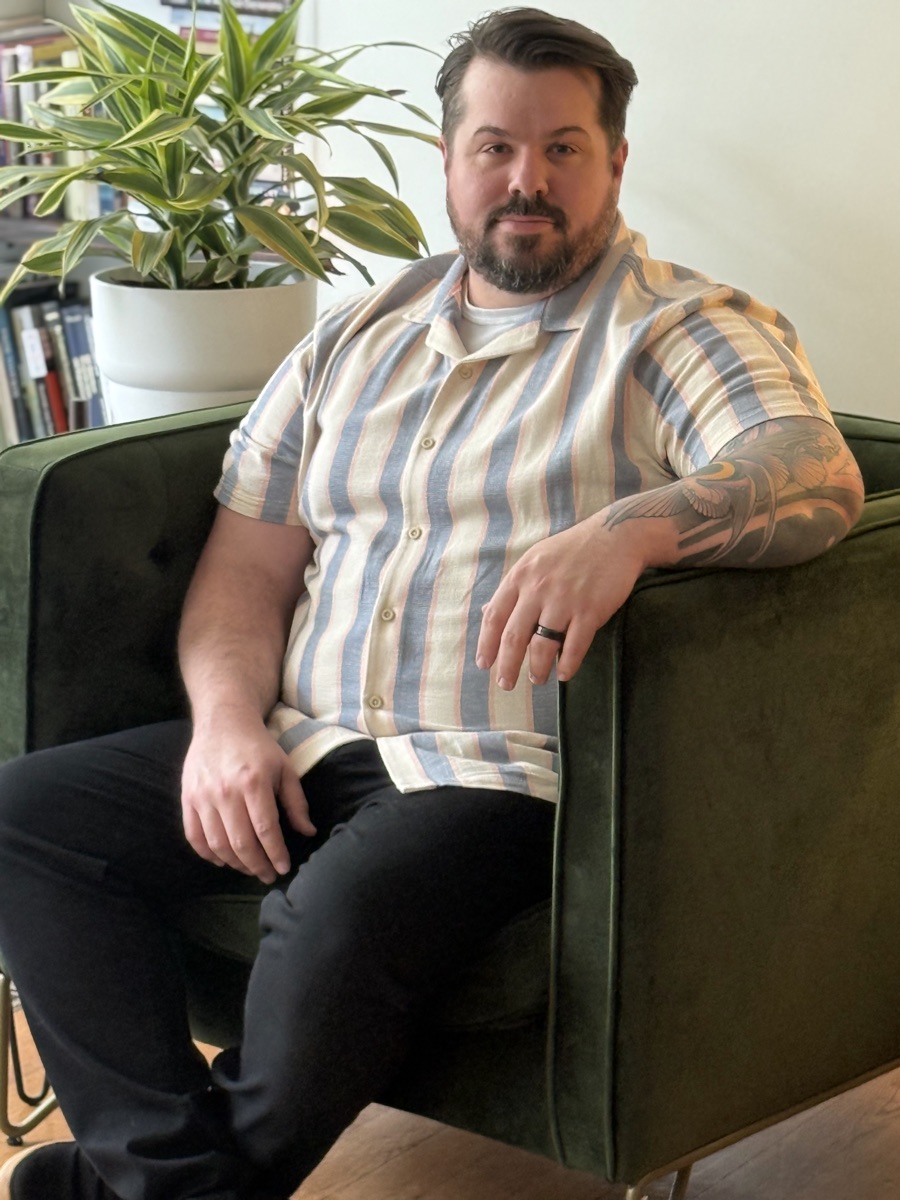
Approach to Care
Effective psychiatric care happens when we slow down enough to understand the full context of a person's story — not just their symptoms. Brandon's approach is relational, evidence-based, and integrative. Medication is considered as one component within a broader framework that includes therapy, nervous-system regulation, lifestyle factors, and the relational support a person has in their life.
Collaboration with therapists and counselors
Psychiatric care is most effective when it is connected to therapy. Brandon works closely with counselors and therapists — both inside Beyond Healing and in the wider community — to support a coordinated, whole-person treatment plan. With patient consent, communication between psychiatry and therapy helps ensure that medication choices, dosing adjustments, and goals of care are aligned with the work happening in counseling.
Diagnostic clarity over diagnostic labels
A label is only useful insofar as it informs effective care. Brandon prioritizes diagnostic clarity — understanding the patterns, the history, and the function of symptoms — over simply assigning a code. For many patients, this means a comprehensive initial evaluation that may revisit and refine previous diagnoses.
Medication as a tool, not a destination
Medication, when indicated, can be a meaningful tool for restoring capacity, regulating the nervous system, and creating space for the deeper work of healing. Brandon emphasizes informed-consent prescribing: clear conversations about why a medication is being considered, what to expect, how to monitor it, and what success looks like.
Care for veterans, adolescents, and those who feel unseen
Brandon has a particular heart for veterans navigating silent wounds, adolescents who feel overwhelmed and unsure where to start, and adults who appear to be holding it all together while struggling internally. Care begins where the patient is — without judgment, without rushing, and with steady clinical presence.